Stage 2 · Understand · Coming soon
Level 1: Understanding Trauma
What stress and trauma can do to a child’s body, feelings, sleep, learning and behaviour, and how everyday safety helps.
6 modules · about 6–7 hours in total (estimate) · for parents and carers, not professionals
Who this course is for
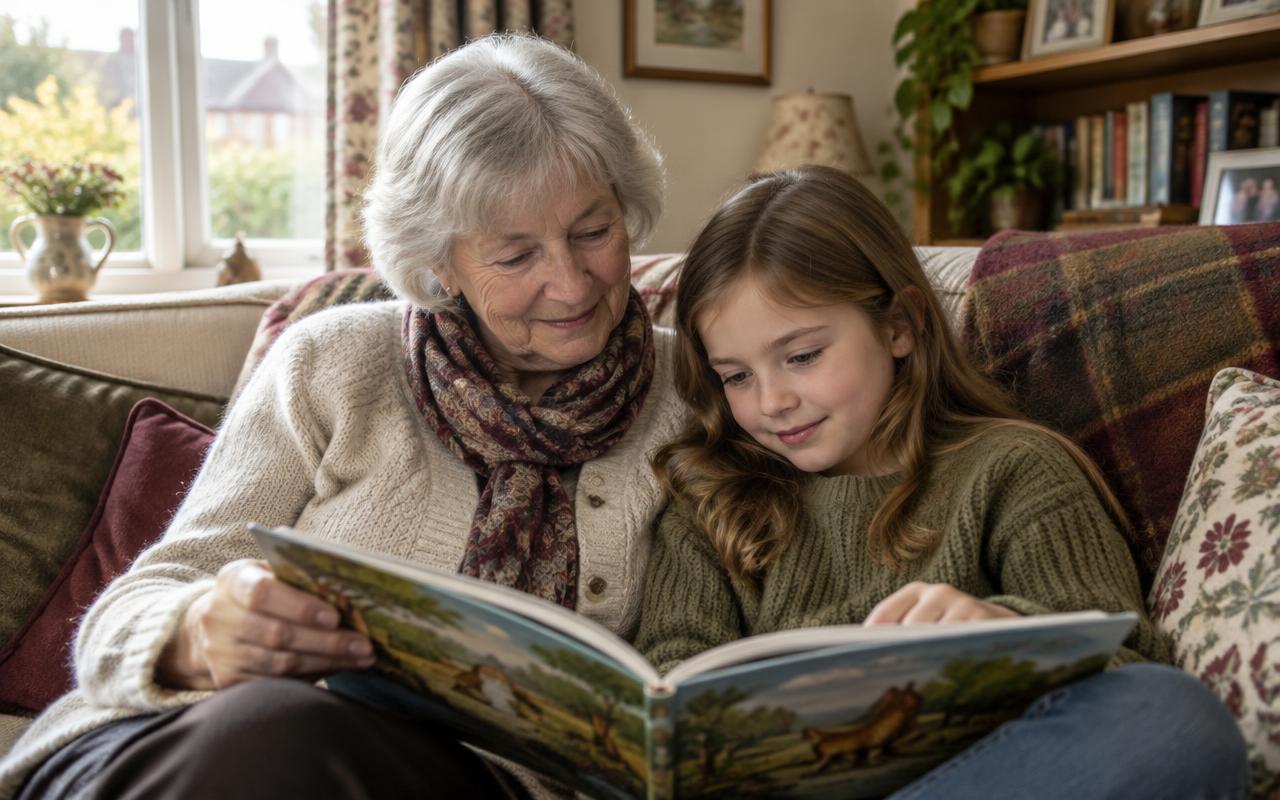
Parents, foster carers, adoptive parents, kinship carers and grandparents who want to understand what might be going on for their child. No previous knowledge needed.
What this level adds
- Understand what stress and trauma can do to a child’s body, feelings, sleep and learning, explained simply.
- Look beneath behaviour for needs and strengths, without assuming everything is caused by trauma.
- Build everyday routines around food, rest, play and calm that help children feel safe.
What you will learn
- The body’s alarm system, explained simply
- How stress affects memory, sleep, attention and learning
- How children change from babies to teenagers
- Looking beneath behaviour without assuming everything is trauma
- Everyday routines and basic needs that help children feel safe
The 6 modules
Times are estimates. Go at your own pace, and take breaks whenever you need to.
Module 1 · about 55 minutes
What trauma and stress mean in everyday life
Everyday stress, overwhelming stress and what “trauma” means in plain words. Why the same event can affect children differently.
What you will be able to do
- Explain the difference between everyday stress and overwhelming stress
- Describe trauma in plain words, as being about impact rather than only the event
- Recognise different kinds of frightening events, including one-off and repeated ones
- Name the things that shape how a child responds, and the things that protect them
- Use gentle, non-stigmatising language about children and hard experiences
Module 2 · about 60 minutes
Your child’s alarm system and feelings
How the body reacts to danger, why big feelings can spill over, and how a calm, steady adult helps the alarm settle.
What you will be able to do
- Recognise different ways a child’s body may react to danger
- Explain why reminders can set off an alarm when a child is safe now
- Notice how feelings and body signs can carry messages
- Choose a helpful response when thinking and listening are difficult
- Recognise your own alarm and plan support for both of you
Module 3 · about 65 minutes
Growing trust, from early years to teenagers
How everyday care builds trust as children grow, and why teenagers still need safe adults around them.
What you will be able to do
- Explain how repeated small moments help children build trust
- Adapt practical care to babies, primary-age children and teenagers
- Recognise the mix of independence and support that teenagers need
- Respond respectfully to children who have learned to rely on themselves
- Identify safe adults and culturally meaningful ways of staying connected
Module 4 · about 60 minutes
Memory, sleep, attention and learning
Why a busy alarm system leaves less energy for remembering, concentrating and sleeping, and small changes that help.
What you will be able to do
- Explain in everyday words why a busy alarm system can make learning and remembering harder
- Recognise common difficulties with memory, concentration, decisions and sleep without calling them laziness
- Choose practical home supports such as one instruction at a time, visual reminders and a calm wind-down
- Talk with school in plain, respectful terms about what helps your child
- Remember to rule out other reasons, such as hearing, eyesight or illness, by asking the GP or school
Module 5 · about 60 minutes
Behaviour as communication: needs and strengths
Looking beyond the behaviour you can see, noticing needs and strengths, and staying open to different explanations.
What you will be able to do
- Describe behaviour without guessing a child’s intentions
- Practise a simple wonder-first habit
- Identify possible needs and other explanations for behaviour
- Notice strengths while respecting culture and identity
- Keep safe limits alongside understanding
Module 6 · about 70 minutes
Building safety and everyday routines
Food, rest, play, personal space and flexible routines. Make a simple weekly plan that suits your family.
What you will be able to do
- Identify basic needs that help a child feel safer
- Offer reliable food without using it to control behaviour
- Plan rest, play and calm spaces suited to your child
- Build flexible routines that respect identity and privacy
- Create a weekly plan that includes adult support
How each module works
- Short lesson sections in plain English, with no jargon
- Everyday examples from family life
- A family story with what might be happening, what to say, what to do and what to avoid
- One thing to try this week and a short reflection
- A worksheet to fill in for your own family
- A five-question knowledge check with an explanation for every answer
- A printable workbook for the whole level, with every lesson, family story and worksheet
What we’re preparing
These are not available yet.
- Online enrolment and payment, once the courses open
- A confirmed launch date and the start of the early bird offer
Free sample · from Module 1: What trauma and stress mean in everyday life
Everyday stress and overwhelming stress
Every child feels stress. A test, a new teacher or a trip to the dentist can make their heart beat faster and their tummy feel strange. Manageable challenges can help children learn that they can face something difficult. This does not mean children need frightening experiences to grow, or that adults should leave them to struggle.
Support often makes the difference. A parent offers comfort, a grandparent listens or a teacher helps. The feeling rises and then settles. Some serious difficulties can also become manageable with enough support and time. What matters is not simply how big the event looks from outside, but how the child experiences it and what help is available.
The full course will be available to learners when it opens.
These courses provide education and practical information. They are not therapy, diagnosis or a substitute for individual professional advice.
If your family needs more support
Asking for help is a strength. If you would like individual support for your child or yourself, your GP, your child’s school or your local family support service is a good place to start.
In an emergency, call 999
Our contact form is for course enquiries only and is not monitored as an emergency service.